Rich History and Cultural Significance of Mahjong
Mahjong is more than just a game; it is a cultural treasure that has stood the test of time. Originating in China, this tile-based game has captured the imagination of millions worldwide. As we explore its fascinating history and cultural significance, we can also appreciate its modern-day adaptations, such as those found in digital platforms like S87.GAME Oficial Slots Brasil #1.
The Origins of Mahjong
The origins of Mahjong date back to the Qing Dynasty in China during the 19th century. Some historians suggest that it evolved from ancient card games, while others believe it was inspired by the traditional Chinese game of dominoes. Initially, Mahjong was played exclusively by the Chinese elite, but its popularity quickly spread across Asia and eventually the Western world.
The Evolution of Mahjong Tiles
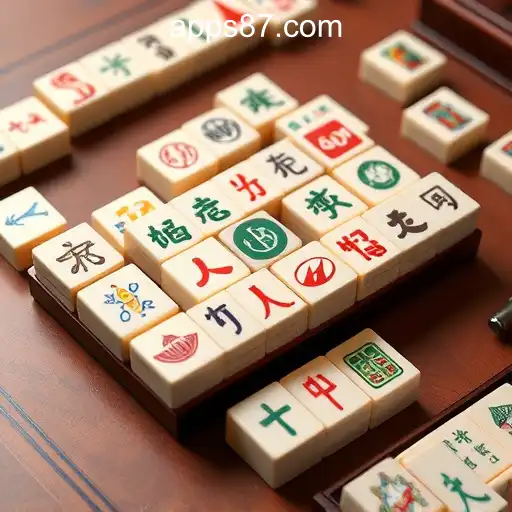
Mahjong is typically played with a set of 144 tiles, each adorned with symbols and characters representing different suits and ranks. The game features three main suits: Bamboos, Characters, and Circles. Additionally, there are Honor tiles, which include Dragons and Winds, adding layers of complexity and strategy.
The tiles' designs often reflect cultural motifs, from mythical creatures like dragons to everyday items like coins. Each tile carries a story, making Mahjong not just a game but an art form that mirrors the history and values of Chinese culture.
Melding Strategy and Skill
Mahjong is renowned for its strategic depth and emphasis on skill. The objective is to build sets or "melds" of identical or sequential tiles, achieving a "Mahjong" — a winning hand. Players must draw and discard tiles strategically, keeping a keen eye on their opponents' moves. This dynamic interaction fosters an engaging experience that combines mental acuity with social connections.
As players navigate through the game, they learn not only to anticipate opponents' strategies but also to develop foresight and adaptability. This intricate dance of strategy is a major reason why Mahjong maintains its strong appeal across generations.
The Cultural Symbolism of Mahjong
Mahjong is steeped in cultural symbolism. In many Asian communities, it is more than just a pastime; it is an integral part of family gatherings and celebrations. Mahjong tables are often filled with laughter, tension, and camaraderie, reflecting the ebb and flow of life itself. In traditional settings, Mahjong is associated with social bonding and the fostering of community ties.
Mahjong in Festivals and Ceremonies
During significant Chinese festivals like the Lunar New Year, Mahjong is commonly played among family and friends. Beyond entertainment, it serves as a binding thread that connects different generations, allowing for the sharing of stories and the passing down of wisdom.
Even in solemn ceremonies, Mahjong plays a role. In Chinese funerals, it is customary to set up a Mahjong table for the deceased, symbolizing the continuity of life and showcasing respect for the departed.
Global Expansion and Digital Adaptation
As Mahjong traveled beyond its traditional boundaries, it quickly gained global traction. In the early 20th century, Western societies embraced it, leading to various adaptations of the game. Countries like Japan, the United States, and the Philippines developed unique variations with region-specific rules and tile designs.
The Digital Era: Mahjong Meets Technology
In the modern age, Mahjong has seamlessly entered the digital realm. Online platforms such as S87.GAME Oficial Slots Brasil #1 offer players a chance to experience the thrill of Mahjong through their devices. These platforms often blend traditional elements with innovative features, providing an accessible and captivating way to enjoy the game worldwide.
Digital adaptations not only preserve the game's heritage but also introduce it to a younger audience. By incorporating features like tutorials, challenges, and online tournaments, Mahjong remains relevant and continues to captivate a diverse array of players.
Conclusion: Embracing Mahjong's Enduring Legacy
The enduring appeal of Mahjong lies in its rich history, cultural depth, and strategic complexity. Whether played at a dining table or through a digital screen, its capacity to foster social interaction and intellectual engagement remains unchanged. Mahjong is truly a game for the ages, bridging gaps and connecting people through time and technology.